

Optimize the user experience and conversions in 2026
Learn how to optimize the user experience and increase conversions in 2026 with effective digital strategies.



The start of a new year is the ideal time to rethink strategies, optimize processes, and make smarter, data-driven decisions. In this context, A/B testing is solidifying its position in 2026 as one of the most effective tools for improving user experience, increasing conversions, and maximizing the performance of digital products.
At Dynelink, we firmly believe that continuous optimization is the foundation of digital growth. Therefore, we are starting this new year by delving deeper into a key methodology for the success of any website or digital platform.
What are A/B tests and why are they key to digital optimization?
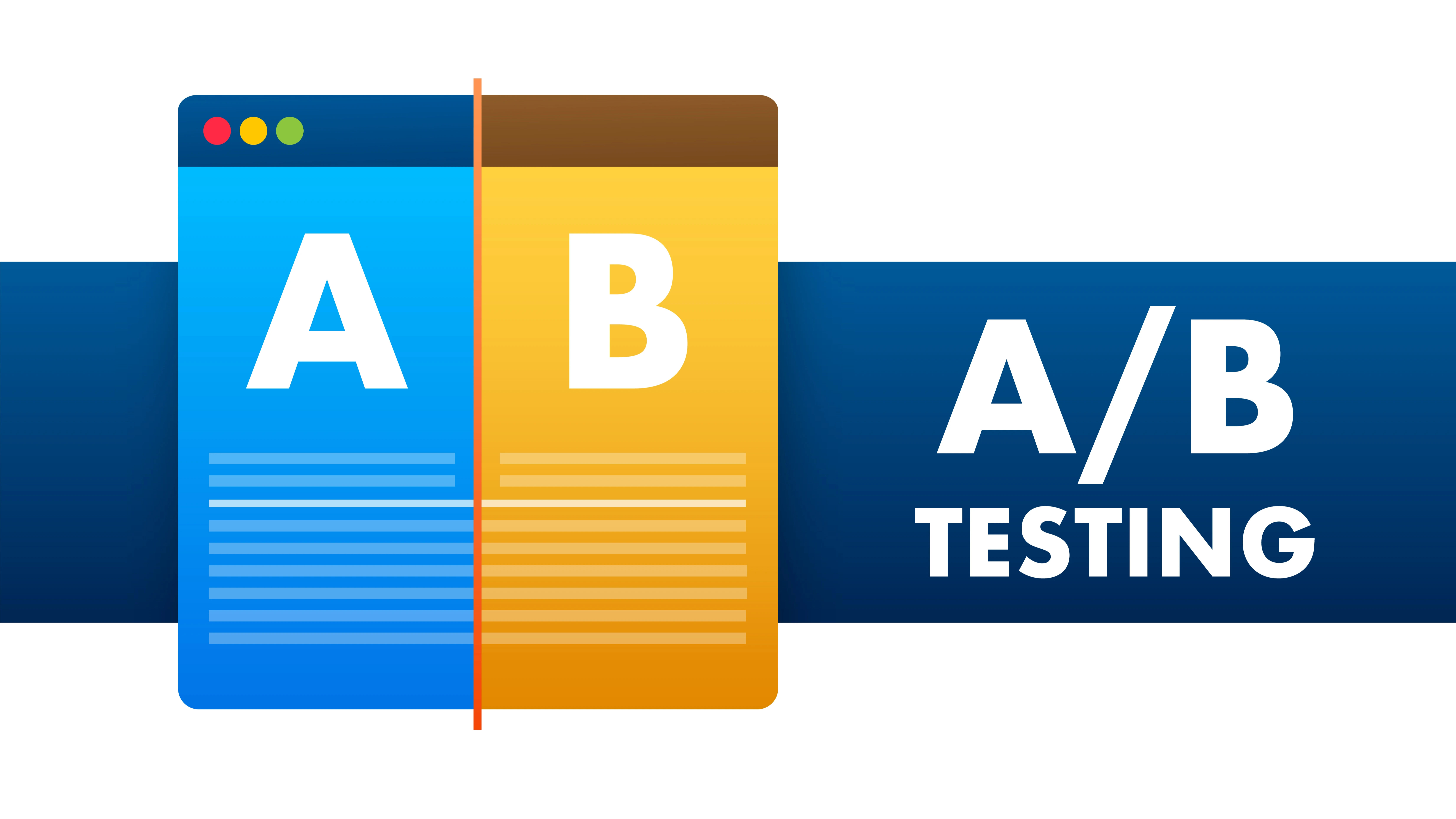
A/B tests, also known as split testing, involve showing two variations of the same page, feature, or element to different groups of users simultaneously. The goal is to measure actual user behavior and determine which version generates better results based on a specific objective.
These tests allow you to compare real data, not assumptions, and are fundamental for continuously iterating and improving digital products, marketing campaigns, and conversion flows.
The Importance of A/B Testing in Design and User Experience
Digital design goes far beyond just visuals. It includes content, structure, navigation flows, and the way users interact with a product.
A/B testing allows you to objectively evaluate elements such as:
Buttons and calls to action
Key text and messaging
Images and visual assets
Forms and conversion processes
Complete user flows
By analyzing the impact of each variation, teams can make data-driven decisions, improve usability, and deliver clearer, more intuitive, and more efficient user experiences.
When should you conduct an A/B test?
Not all products are ready for an A/B test at any given time. Before starting a test, it's crucial to consider:
Sufficient traffic volume to obtain statistically relevant results.
Clear objectives, such as increasing conversions, improving click-through rate (CTR), reducing bounce rate, or increasing time spent on the site.
Well-defined hypotheses, based on previous data or user behavior.
Conducting tests without these fundamentals can lead to erroneous conclusions and ineffective decisions.
Main Objectives of A/B Testing
The central purpose of A/B testing is to optimize the user experience and improve business performance. Its most common objectives include:
Increasing conversion rates
Improving user engagement
Reducing friction in digital workflows
Validating changes before implementing them on a large scale
Minimizing risks in strategic decisions
In 2026, digital competitiveness demands that every change be supported by data.
Best Practices for Achieving Better Results in Your A/B Tests
To maximize the impact of your tests, at Dynelink we recommend following these key practices:
Define specific and measurable objectives before each test.
Test only one change per experiment to isolate results.
Segment users correctly to obtain accurate data.
Document each test and its learnings for future decisions.
Be patient and consistent, allowing the test to reach a statistically significant sample size.
Optimization is a continuous process, not a one-time event.
Start 2026 by optimizing with data, not assumptions.
A/B testing is an essential tool for any modern digital strategy. It allows you to better understand your users, validate decisions, and build more effective and profitable digital experiences. At Dynelink, we are committed to an approach based on analysis, experimentation, and continuous improvement. This new year is the perfect opportunity to elevate your digital strategy and make smarter decisions from day one.